
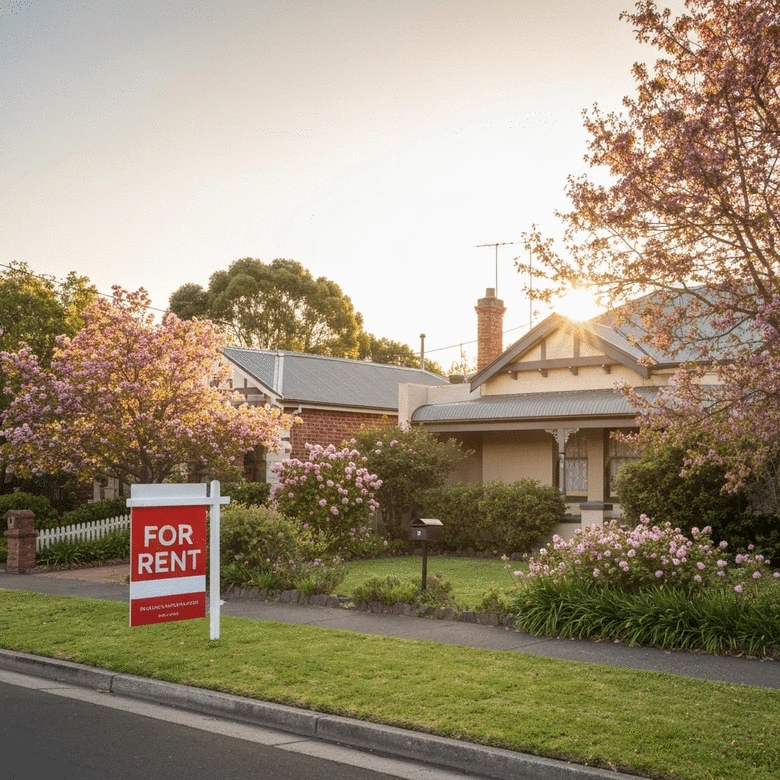
Median Rent for 2-Bedroom Apartment
$2,400/month
(Significant jump from previous year)
As the Melbourne rental crisis continues to evolve, understanding its complexities is crucial for renters navigating this challenging landscape. With prices skyrocketing and availability dwindling, knowing the key factors at play can empower you to make informed decisions.
A visual overview of the critical data points and underlying causes of the current rental market challenges in Melbourne.
$2,400/month
(Significant jump from previous year)
15%
Average increase over the last year, with some suburbs higher.
1.5%
Indicates a severe shortage of available properties.
20/listing
Average in many suburbs, highlighting high competition.
10%
Reflects the financial strain experienced by renters.
As we step into 2026, the Melbourne rental crisis has become a pressing reality for many residents. The rental landscape is characterized by soaring prices and a shortage of available properties, leaving potential renters feeling the strain. In this section, I’ll delve into the key statistics and figures that define this crisis, explore the reasons behind the rising rents, and discuss how migration patterns are affecting housing demand across our vibrant city.
The current rental crisis in Melbourne is underscored by alarming statistics. Recent data reveals that rental prices have surged by an average of 15% over the last year, with some suburbs witnessing even higher increases. To put this into perspective, the median rent for a two-bedroom apartment has reached approximately $2,400 per month, marking a significant jump from the previous year. The State of the Housing System 2024 report provides further context on these trends.
These figures not only reflect the challenges tenants face but also highlight the broader economic implications for Melbourne. The situation calls for urgent attention and strategic planning to navigate this tumultuous rental climate.
One of the most critical factors contributing to the rising rental costs in Melbourne is the persistently low vacancy rates. With fewer properties available, landlords are increasing rents to capitalize on the high demand. This creates a vicious cycle where the lack of housing drives prices further up, making it increasingly difficult for renters to find affordable options.
As the demand for rental properties continues to outstrip supply, it’s essential for potential renters to be proactive in their search and consider strategies for securing a home in this competitive market.
Migration patterns play a significant role in shaping Melbourne's housing demand. Over recent years, the city has seen a steady influx of both international and interstate migrants seeking opportunities and lifestyle improvements. This increasing population contributes directly to the strain on the rental market.
Understanding these migration trends can help renters anticipate changes in the market and refine their approach to finding a home. At My Metro Life, we’re committed to providing insights that empower you to make informed decisions in this challenging landscape.
Did you know? Networking can significantly enhance your chances of securing a rental in Melbourne's competitive market. Connect with local real estate agents and join community forums to stay informed about upcoming listings before they hit the mainstream market.
A1: The primary indicators include a 15% average increase in rental prices over the last year, a critically low vacancy rate of around 1.5%, and an average of 20 applications per rental listing in many suburbs.
A2: The median rent for a two-bedroom apartment has reached approximately $2,400 per month, representing a significant jump from the previous year.
A3: The influx of international students, interstate migrants seeking job opportunities, and skilled workers significantly contributes to the increased demand for housing, further exacerbating the rental shortage.
A4: Renters should start their search several months in advance, set a realistic budget, research suburbs thoroughly, be prepared to apply quickly, and enhance their applications with strong references and rental history.
A5: Renters can use platforms like Realestate.com.au and Domain for listings and market insights, join local social media groups for insider knowledge, check market reports from real estate agencies, and utilize rental apps for property alerts. Additionally, understanding government policies and tenant rights is crucial.
As we delve into the tightly knit fabric of Melbourne's rental market for 2026, it's crucial to equip yourself with actionable strategies. Renters are facing unprecedented challenges, but armed with the right knowledge, you can navigate this landscape with confidence. Here are some steps I recommend to help you stay ahead in this competitive environment.
To secure a rental property in Melbourne's current climate, you need to be proactive. Here are some effective steps to consider:
Following these steps can significantly increase your chances of securing a rental property in this challenging market. Staying proactive and organized makes all the difference.
In today’s fast-paced rental environment, information is your greatest ally. Here are some valuable resources and tools you should keep an eye on:
By leveraging these resources, you can keep your finger on the pulse of Melbourne's rental market. Staying informed can empower you to make timely decisions that align with your rental goals.
Understanding the impact of government policies and housing initiatives is essential for any renter. Here are a few key points to consider:
Recognizing these elements can help you make informed decisions about your rental strategy. Being aware of the broader context can also guide your negotiations and expectations.
Here is a quick recap of the important points discussed in the article:
Chloe is a seasoned real estate expert and writer focused on Melbourne's suburban market. With years of investment experience, she provides balanced, data-driven advice to help homeowners and investors navigate property complexities with absolute confidence.
At My Metro Life, we demystify Melbourne's suburban property market. Led by Chloe B. Kensington, we provide data-driven insights to help you buy, rent, or invest with absolute confidence.
Melbourne, Victoria