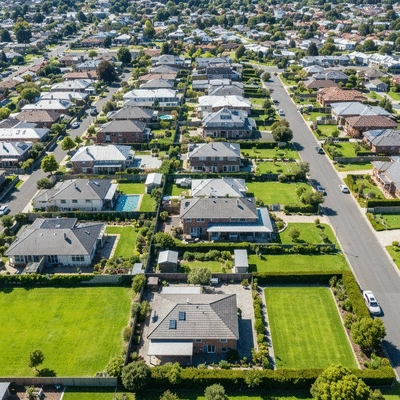

Comparing Investment Prospects: Inner vs. Outer Suburbs
The investment landscape varies significantly between inner and outer ring suburbs due to factors like affordability, market maturity, and infrastructure development.
As an investor in Melbourne's property market, it’s crucial to stay informed about where the best opportunities lie. With a city as dynamic as Melbourne, understanding the nuances between its suburbs can significantly impact your investment strategy. Are you ready to discover how to navigate this complex landscape and make informed decisions for 2026?
Understanding the distinctions between Melbourne's inner and outer ring suburbs is crucial for informed property investment. This comparison highlights key factors influencing capital growth and investment potential. For a deeper dive into specific areas, explore our guide to Melbourne's Top Suburbs for Investment.
The investment landscape varies significantly between inner and outer ring suburbs due to factors like affordability, market maturity, and infrastructure development.
As a seasoned observer of Melbourne's suburban property market, I can tell you that understanding capital growth potential is crucial for anyone considering an investment. Not all suburbs are created equal when it comes to capital growth, especially when comparing the outer and inner ring suburbs. By delving into the current market trends and investment opportunities, we can better gauge where to focus our efforts.
The difference in capital growth prospects between these two rings is substantial. Inner suburbs tend to offer a more established market with higher demand, while outer suburbs often come with lower entry prices and more room for growth. This growing divide is worth our exploration!
When we look at the investment landscape, the distinctions between outer and inner ring suburbs are clear. Here are a few key factors to consider:
By weighing these factors, investors can make more informed choices. It’s essential to consider not just the current state of the market, but also how these areas are likely to evolve in the coming years.
As we peer into the future, several critical drivers will shape capital growth in Melbourne’s suburbs. These include infrastructure developments, shifting population trends, and economic conditions that are constantly in flux. Here’s a breakdown of what to watch for:
These factors are interconnected and will be pivotal in framing the investment landscape in 2026. Keeping a pulse on these trends will be paramount for savvy investors!
To navigate the complexities of property investment in Melbourne’s suburbs, we need to examine the economic indicators at play. Here are the most significant ones:
These economic indicators not only affect our property investments but also guide how we position ourselves within this dynamic market. As part of My Metro Life, I’m committed to providing insights that empower you to make informed decisions!
When considering investment in Melbourne's suburbs, look beyond just immediate returns. Focus on long-term growth potential by assessing upcoming infrastructure projects and demographic shifts. For example, suburbs with new transport links often see increased demand and property values over time. This foresight can significantly enhance your investment strategy!
Inner suburbs are generally more established with higher prices and steadier, often slower, capital growth. Outer suburbs typically offer more affordable entry points and greater potential for higher capital growth due to rapid infrastructure development and evolving markets.
The primary factors influencing capital growth are infrastructure investments (e.g., new transport links), population trends (e.g., influx of residents), and overall economic conditions (e.g., job stability and growth).
Demographic shifts, such as changes in who is buying (families, young professionals, retirees), help predict future property demands and indicate which types of properties will be most sought after, guiding investors in their choices.
Effective property management ensures maximized investment returns through quality tenant screening, regular maintenance to preserve property value, and expert market knowledge to ensure competitive rental pricing. This leads to consistent rental income and long-term portfolio growth.
Investors can leverage market reports, suburb selector quizzes, and online calculators. These tools provide data, help identify suitable areas, and assess potential returns, clarifying the decision-making process in the Melbourne real estate market.
As we navigate the intricate landscape of Melbourne's property market, it's crucial to gather essential insights that can guide our investment decisions for 2026. Understanding the differences between outer and inner suburbs is just the beginning. It's about recognizing the broader market trends, capital growth potential, and the evolving needs of buyers.
Informed investors will find value in focusing their strategies on the right suburbs. It’s not just about affordability; it’s about where your investment can grow over time while meeting lifestyle demands. With my years of experience, I’ve seen how patience and strategic planning can yield great rewards in this ever-shifting market.
By summarizing these factors, we can create a roadmap for our investment journey. Remember to keep an eye on both current conditions and future projections to make the most of your investment decisions.
Ready to refine your investment strategies? I recommend leveraging various interactive tools and resources available to property investors. Here are some tools that can help you:
These resources can provide clarity and enhance your decision-making process as you navigate the complexities of the Melbourne real estate market.
Let’s not overlook a critical aspect of real estate investing: effective property management. Proper management can dramatically impact your investment returns and ensure long-term growth in your portfolio. Here are a few ways property management can make a difference:
Investing in robust property management can free you from day-to-day concerns and allow you to focus on expanding your portfolio with confidence!
I invite you to join the conversation! What are your experiences with investing in Melbourne's suburbs? Do you have questions about specific areas or trends? Your insights can help others in our community make informed decisions. Let’s engage together and share knowledge about this vibrant market!
Here is a quick recap of the important points discussed in the article:
Chloe is a seasoned real estate expert and writer focused on Melbourne's suburban market. With years of investment experience, she provides balanced, data-driven advice to help homeowners and investors navigate property complexities with absolute confidence.
At My Metro Life, we demystify Melbourne's suburban property market. Led by Chloe B. Kensington, we provide data-driven insights to help you buy, rent, or invest with absolute confidence.
Melbourne, Victoria