
Moving to Brighton Melbourne With a Car or Motorcycle: What to Sort First
Moving to Brighton Melbourne with a car or motorcycle adds several vehicle jobs to the usual boxes. Update your registration and licence address. Count every key and remote at handover. Order spare keys early. Learn the street parking rules. Build safe habits for parking outside.
Brighton's beach, shopping strips and train stations all draw traffic to the bayside. New residents often lose time to parking signs and missing keys rather than to the move itself. Work through the jobs below in order. Each one is a phone call, an online form or a short walk down your street.
Why does a Brighton move need its own vehicle plan?
A move changes where you park, where your vehicle sleeps at night and who holds your keys. In Brighton those three things depend on each other. A house with a driveway needs different checks from an apartment with one shared bay. A rented flat near the shops puts your car on a street that may carry time limits and permit rules.
Beach traffic adds pressure. Summer weekends bring visitors to the foreshore. The Bay Street and Church Street shops pull in shoppers all year. Parking near those places behaves differently from a quiet side street, so test your own street before you rely on it.
Order matters as well. Some jobs carry a legal deadline, some protect you from loss, and some only save time. If you are still choosing a suburb, start by learning how to compare Melbourne suburbs against your budget and commute. Then return here once you settle on Brighton.
Does your household need every vehicle once you live in Brighton?
Count the parking spaces before you count the vehicles. A home with one bay and two cars has a daily shuffle waiting. Decide before moving day which vehicle takes the bay and where the other will sit.
Brighton has three Sandringham line stations: North Brighton, Middle Brighton and Brighton Beach. A household within walking distance of one may use a car less than it did before. That choice belongs to you, and it changes how many keys, permits and registrations you manage. Selling or storing a spare vehicle before the move removes parking pressure at the source.
If you keep both, test the arrangement with the real vehicles. Park both on the first evening and see whether either one blocks the other, a path or the bins. Settle the leaving order for workdays before the first alarm goes off.
How do you update your vehicle registration and licence address in Victoria?
You have 14 days. Fines Victoria states that you are legally required to update your address with VicRoads within 14 days of moving. Your driver licence and each registered vehicle carry an address, so check every record. The myVicRoads account lets you make the change online.
Register the change for every vehicle you own, including the motorcycle, a trailer or a second car. Vehicle records can also hold a postal address and a garage address. The garage address is the place the vehicle is normally kept overnight, so set it to your new home.
The deadline matters because of how fines travel. The same page explains the risk. Fines sent to the address on file count as received seven days after the notice date, even if you no longer live there. A fine posted to your old address can move toward enforcement while you never see it.
Next, tell your insurer where the vehicle will be kept overnight. A basement bay, a driveway and the street can rate differently, so ask rather than guess. Then update your toll account and roadside assistance membership with the same details.
How do you hand over and count keys on settlement day or lease start?
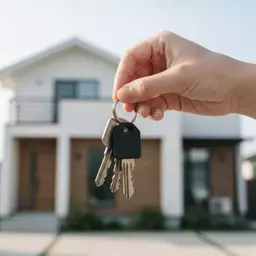
Handover day involves two sets of keys: the home's and your own. Count both before the removal truck leaves or the agent walks out.
For the home, compare what you receive with the paperwork. At a lease start, the condition report should list every key, garage remote and gate fob. At settlement, ask the agent for the same list. Photograph each item on the table so the count is on record. Renters should note that the landlord will count these items again at the end of the tenancy.
Owners should ask for more. Request every garage remote, the opener's make and model, and any manual for a gate or intercom. A seller who cannot account for a remote has told you something useful about who may still hold one.
Then count your own vehicle keys. Gather every key for every car and bike before the boxes close. Test each one in the lock, then start the engine with it. A key that opens the door but will not start a transponder vehicle is a plain blade copy. Do not count it as a working key. Carry one working key on your person and keep any spare in your own bag, away from the removal boxes. Write the result in a note, such as "two keys, both start the car."
When should you order spare car or motorcycle keys in Brighton?
Order them before the busy first weeks. Moving day scatters keys, and a household with one working key has no margin for a lost one.
Three kinds of key exist, and each needs a different job. A mechanical key needs cutting. A transponder key needs cutting and programming, so the vehicle's immobiliser recognises the chip inside. A key with remote buttons may need those functions programmed as well. Some motorcycles use transponder keys, so do not assume a bike key is a plain blade.
Making a spare while you still hold a working key keeps the job narrow. Replacing a set after every key is lost can involve more steps. Bring every existing key, your registration papers and photo identification to any appointment. New residents can ask brighton locksmiths about cutting and programming spare car or motorcycle keys, and about what the vehicle needs before work starts.
Whichever provider you choose, ask what they need from you, how they test the finished key and whether they handle motorcycles. A dealer, an auto electrician and a locksmith can each quote the same job, so compare the answers. Keep the spare somewhere other than the vehicle and the front hall, and tell a second household member where it lives. Test the new key at home when the work finishes. Lock the vehicle, unlock it, start it and try every remote button.
Hypothetical example: a household moves in with a car that has two working keys and a motorcycle that has one. They test all three on handover day and find the motorcycle key is worn. They book a spare that week, before the first weekend rides.
How does garage access differ between a house and an apartment?
A standalone house usually has its own opener. Record the opener's make and model, locate the manual release and keep the remotes with the household. That covers most of the job.
Apartments and townhouses add a shared layer. A gate, basement door or lift may run on a system managed for the whole building, often through an owners corporation. Ask who issues and deactivates fobs. Ask the manager to cancel any lost or unaccounted-for fob. Do not try to reset a shared system yourself, because other residents rely on it.
Check the bay itself before you move a vehicle in. Confirm that the bay number matches your lease or title. Measure the entry height against your roof racks. Open the car door fully in the bay to see whether the neighbouring pillar blocks it. Motorcycle owners should ask whether the building has a dedicated motorcycle space, because a car bay can leave a bike exposed.
Tenants who want broader background on tenancy handovers can read about renting in Melbourne. Direct any question about a specific lease to your property manager.
What are the parking rules around Brighton's beach, shops and stations?
Bayside City Council manages street parking in Brighton. Ask the council whether your address qualifies for a residential parking permit. Ask what it needs from a new tenant or owner. Do not assume that the previous occupant's permit carries over, because eligibility can depend on the address and the type of home.
Permits are only part of the picture. Victoria Legal Aid's parking guide says to read a parking sign from top to bottom and left to right. Check every panel. Time limits apply only on the days and hours shown. A sign that names a weekday does not apply on a public holiday, but a sign without a day applies every day.
Some rules apply even without signs. The same guide lists these limits for parking:
- Do not park across a driveway, apart from a two-minute stop to drop off or pick up passengers.
- Leave at least one metre from a fire hydrant.
- Leave at least three metres from an Australia Post mailbox.
- Stay at least 20 metres back from an intersection with traffic lights, and 10 metres from one without.
Plan moving day parking as well. A removal truck needs room to load, and the signs outside your door decide how long it can stay. Tell the removalists what the signs say, and ask the council whether a truck needs any permission on your street. Guests and delivery drivers face the same signs, so give them a legal option too.
Test the street at three times: a weekday morning, the school pick-up hour and a warm Saturday afternoon. Beach car parks and nearby streets can fill on fine weekends, so plan where visitors will park. Planning to leave a vehicle at a station? Read the signs on the day instead of assuming an all-day space.
Where can you park a motorcycle in Brighton?
Motorcycles follow special rules. The Victoria Legal Aid guide says you may park a motorbike or scooter on a footpath, shared path, bicycle path or nature strip, unless a sign says otherwise. The bike must be safe and out of the way. Leave room for people to walk past, and keep clear of driveways.
Local signs override that general rule. Council can restrict footpath parking in busy areas, and the foreshore and shopping strips are the places most likely to carry extra signs. Read the sign before you wheel the bike onto the footpath.
At home, a bike is easier to protect off the street. Use the steering lock every time, chain the frame to a fixed object and cover the bike so it is out of sight. Apartment riders should push for a proper motorcycle space rather than leaving the bike on the visitor strip.
How do you keep a vehicle safer when you park on the street?
Street parking raises two risks: break-ins and electronic theft. Victoria Police says more than 10,000 vehicles are stolen by thieves using electronic devices in Victoria each year, about 30 a day. The same page says push-start cars are particular targets.
Police advice gives you several habits to copy:
- Park off the street when you can, in a locked garage first, then on a driveway.
- On a driveway, consider a sensor light and a camera.
- If you must park on the street, choose a well-lit spot.
- Keep spare car keys in a secure place at home or at work.
- Keep keys out of the vehicle, and put a mobile number on a tag instead of your name and address.
Riders should take helmets and jackets inside, because a helmet left on a mirror shows that the bike is unattended. Keyless cars need extra care. Store the fob away from the front door. Police list a signal-blocking pouch or box for key fobs, and an on-board diagnostic port lock for push-start cars. Ask a vehicle security shop what suits your make and model.
What is the best order for your first-week vehicle errands?
Sort the jobs by consequence. Handover day comes first because lost keys cannot be recovered after the truck leaves. Test every key and record the count that evening. Read the parking signs on your street the same day, so the first night does not end with a fine.
Within the first few days, update the registration and licence address. The legal window is 14 days, and an early change keeps notices from going astray. Call the insurer in the same sitting.
By the end of the first week, check permit eligibility with the council and book any spare key. Walk the street at peak times once, then adjust where you park. Keep one household note with the registration numbers, the insurer's name, the opener model and the key count for each vehicle. Store it on your phone and in a shared folder, not in the vehicle. A lockout or a lost remote goes faster when the details are to hand.
Add these tasks to your broader list of first-week errands, alongside utilities and bin days, so the vehicle jobs do not get lost among them.
Conclusion
A vehicle move has legal, practical and security parts, and Brighton raises the stakes on parking and keys. Update your address records within 14 days. Learn what each street sign allows. Count every key before the boxes pile up. A spare is easiest to make while a working key still exists. Street habits then do the long-term work of keeping a car or motorcycle where you left it.